We strive to create and maintain learning spaces where every person — students, families, teachers, staff and administrators — feel that they belong. In order to ensure that happens, we are always learning about, affirming and celebrating the beautiful fabric of cultures and other identities among our community at school, and as represented in the world. This requires dedication to openness of thought and communication, as well as a commitment to authentic restoration and repair of relationships when harm has been done within our school community.
At International School of Brooklyn, we believe it is essential to create an affirming and dynamic learning environment where all students can thrive socially and academically. Our language immersion model and International Baccalaureate curriculum align organically with our investment in community, culture and belonging. We recognize and value multilingualism as the most direct connection to other cultures and see our students’ language learning as a natural way for them to develop empathy and open-mindedness. Learning French and Spanish – world languages spoken across the globe – allows our students access to enriching and varied perspectives and is key to their evolution as global citizens who embrace and appreciate the traditions and values of others. The IB’s inquiry-based approach to teaching encourages students to seek a greater understanding of historical truths in order to inform their roles as advocates and changemakers in the ongoing pursuit of justice and communities in which true belonging exists.


Students, families, faculty, staff, and administrators engage and actively participate in strategizing about the remediation of society’s most challenging and intergenerational inequities. As the world continues to evolve, our approach to education around these issues evolves with it; we teach and learn together.
While our students, like most children, are just beginning to understand complicated social justice issues, they are passionate about using their voices for change. ISB students are empowered to see themselves as leaders and advocates and are eager to find ways to take action to make the world a better place for all communities. Taking cues from the growth mindset, ISB strives to best equip our students with the tools to support their desire for respect, autonomy, and responsibility.
At ISB, we are committed to delivering an education with wide reach that will equip upstanders for the justice and reform that our world so desperately needs. To this end, we have been working hard to fill longstanding educational gaps by teaching historical truths, examining our curriculum, and beginning the process of examining and supplementing our content to better reflect the school’s core values and mission.
At ISB, we know that representation always matters! Classroom and school spaces become transformative when they shift our perspectives, alter our worldviews, deepen our relationships with others and give us tangible examples of who we are and who we’d like to become. They teach children about who is important, who matters, and who is even visible. School pedagogical practices and design center on the ‘mirrors and windows’ concept and seek to reinforce positive children’s self-concept, teach accurate information about people and events around them, foster positive attitudes about the wealth of diversity in our society, and inspire action for change in the world where it’s needed most.
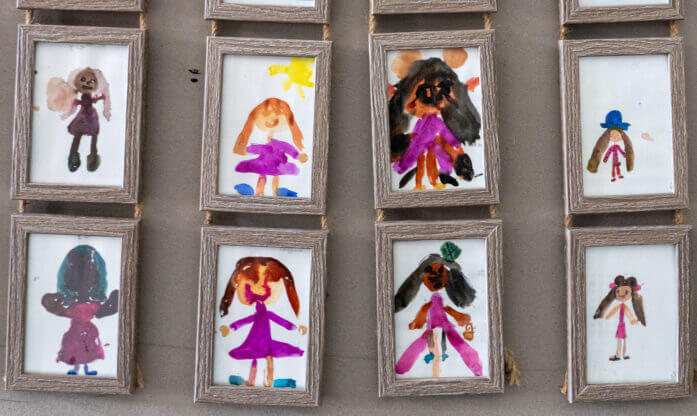
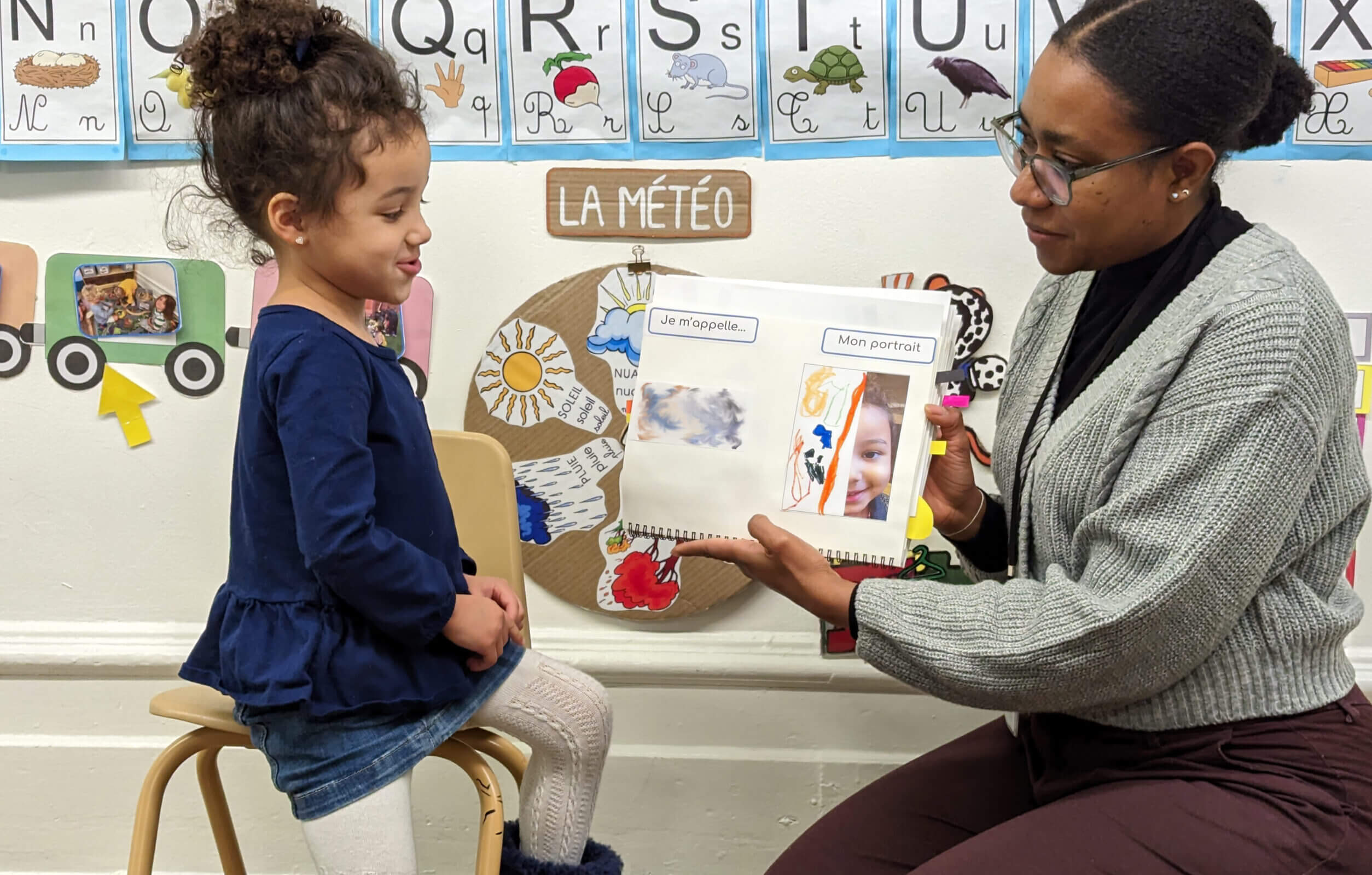
The core of every educational experience is the curriculum. It is where classroom auditing and mirrors and windows create a cohesive and immersive learning environment in which historical and current truths, fun, and innovation meet. At ISB, we harness the power of the International Baccalaureate by using the inquiry model to deliver curricula content that meets and exceeds academic standards while allowing room for students to explore and ask questions to make sense of the world around them. The ISB curriculum is dynamic and has offerings that span across foundational texts and materials to more interactive and modern forms of media. Students are encouraged to take the knowledge they acquire in the classroom and apply it to real-world situations through discourse, role play, debate, and individual and group projects. Recently, in alignment with our DEI initiatives, ISB has committed to beginning an extensive curriculum assessment to revise and enhance our existing program of study.
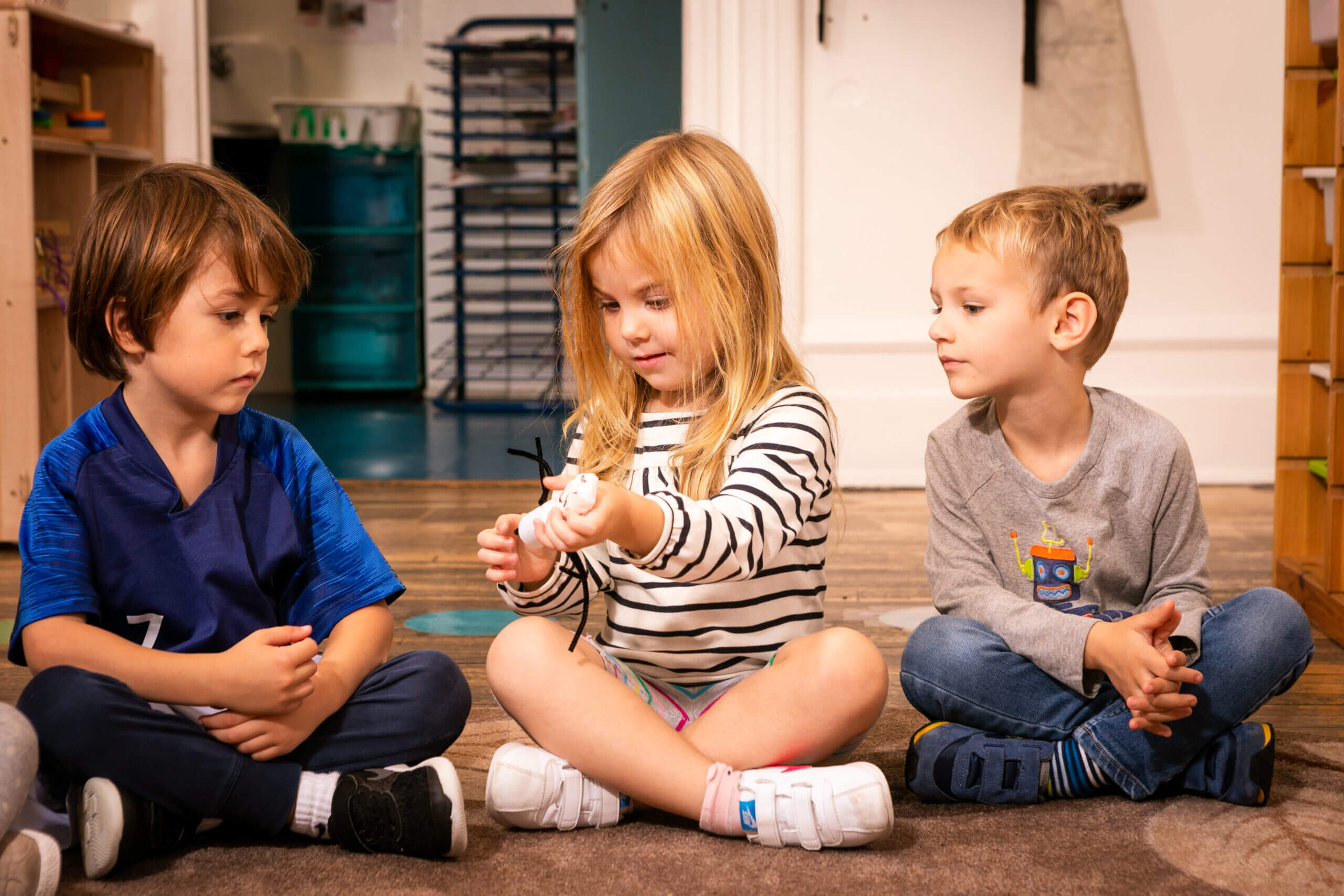
We pride ourselves on viewing the selection of classroom content alongside building relationships with students – it is ongoing work. The world does not remain stagnant, and so neither can we; content needs to adjust and adapt in conjunction with changes in our society and assessed needs/deficits in the community. We engage in yearlong practices that critically examine classroom spaces, content, and instructional approaches, always keeping in mind the power of words and images in the role of nurturing their sense of self, positive attitude towards others, and motivation to act for fairness, equity, and justice. ISB faculty and staff are provided with comprehensive professional development and supervisory support both in-school and outside of school to ensure access to detailed feedback, educator networks and best practices.
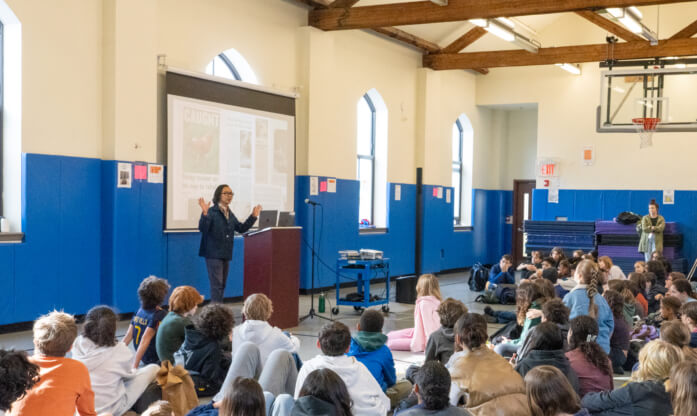
ISB emphasizes celebration as an act of resistance. Throughout the school year, we recognize and celebrate the following cultural heritage months: Hispanic and Latinx Heritage Month, Indigenous Peoples’ Month, Black History Month, Women’s History Month, Disability Awareness Month, Arab American Heritage Month, Jewish American Heritage Month, Asian Pacific American Heritage Month, and LGBTQIA+ Pride Month. Cultural heritage months are acknowledged through assemblies, classroom programming, community events, and shared resources.
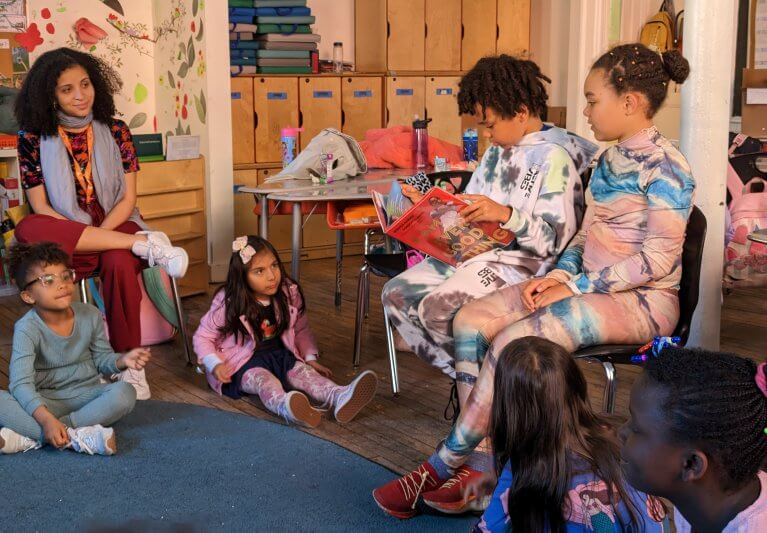
International School of Brooklyn offers a variety of affinity and ally groups for students, as well as the adults in our community.
Affinity groups support identity development in students. The common experience of the group strengthens self-esteem and allows students to find affirmation, confidence, and resilience.
Ally groups are spaces designed for groups of students who are advocating for members of social groups outside their own, specifically those that face discrimination daily. Allies typically belong to a more widely represented group but work to help others facing different challenges to succeed in various ways.
Learn More
50%
of ISB’s Senior Leadership Team is BIPOC.

33%
of ISB’s Board of Trustees is BIPOC.

8
Affinity and Alliance Groups are offered across the school.
As part of ISB’s commitment to become an antiracist school, we seek to dismantle inequitable systems and policies within our institution, and to create new ones in their place. The Director of Community, Culture, and Belonging works with all constituents to ensure that ISB’s policies and practices, such as admissions policies ISB’s admissions policies, hiring and retention practices, as well as other school systems, are equitable and inclusive.
ISB is committed to creating an equitable and inclusive school environment and actively reviews and revises school policies to ensure that our policies are reflective of this. The school has recently created a gender policy and a hate speech policy to codify our efforts to ensure that all members of our community are safe, affirmed and supported, with a clear accountability model for when incidents occur at school.
The Admissions Office works actively to reach a diverse group of prospective families through its outreach efforts and partnerships with organizations, such as Early Steps and Prep for Prep. Every year, the Director of Community, Culture, and Belonging hosts an event for prospective families to learn more about the school’s equity work. ISB is committed to ensuring an equitable and consistent admissions process for all prospective families, and the Director of Community, Culture, and Belonging is involved in the admissions decisions committee across all divisions.
The Director of Community, Culture, and Belonging serves on all major hiring committees and works in partnership with the Human Resources Manager to review the employee handbook, and evaluation tools, and retention efforts.
The Communications Office works closely with the Director of Community, Culture, and Belonging to ensure that the school’s communications with parents as it relates to equity and programming is transparent and intentional.